What is an LLM? How Large Language Models Work: Architecture, Benchmarks & Leaderboards
A comprehensive, interactive deep-dive into transformer neural networks, self-attention mechanisms, next-token prediction, and 2026 model benchmarks.
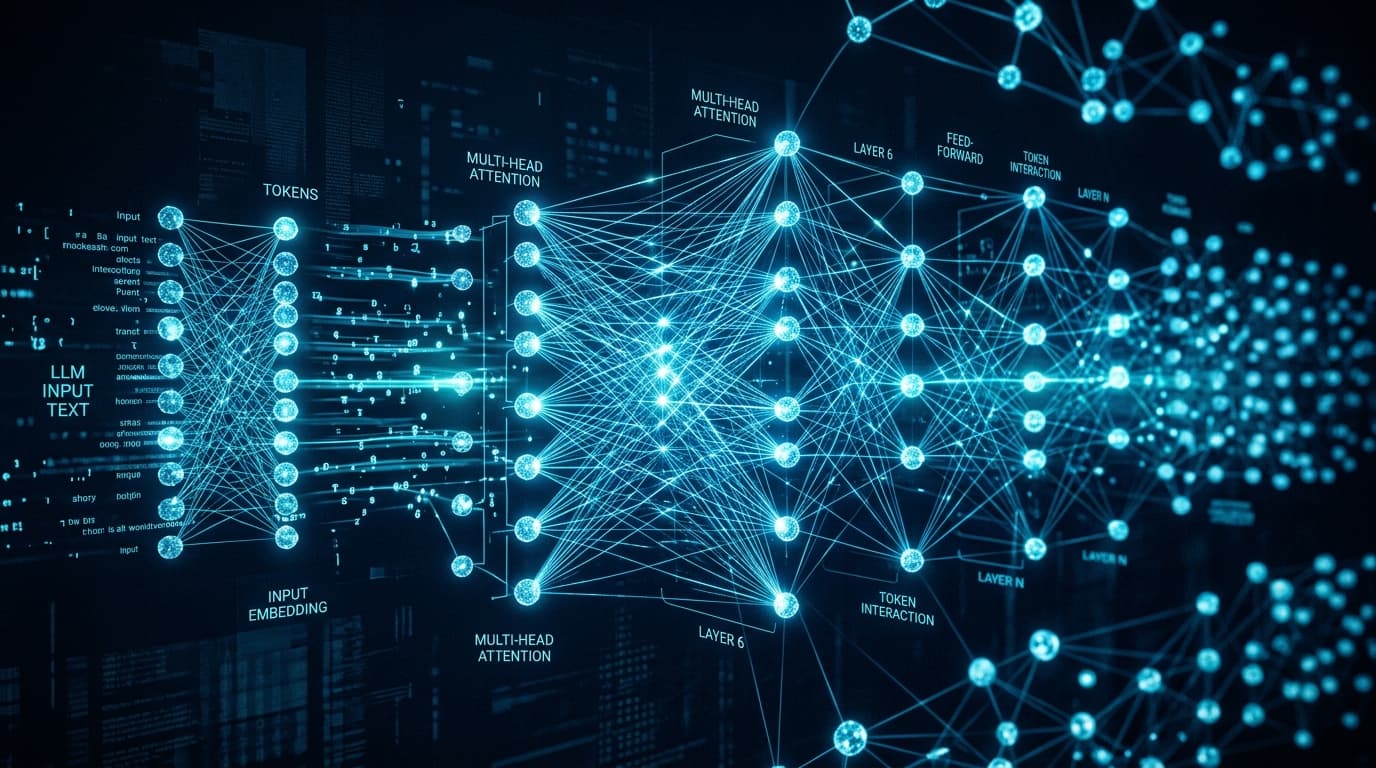
What is an LLM? The Foundational Concepts
Large Language Models (LLMs) represent the frontier of artificial intelligence, revolutionizing how software understands, generates, and reasons through complex human language. At its foundational core, an LLM refers to advanced deep learning neural networks trained on vast corpora of text containing billions or trillions of parameters.
Unlike earlier recurrent neural networks (RNNs) that processed language sequentially, transformers utilize self-attention mechanisms to evaluate relationships between all words (tokens) in a sentence simultaneously. Through pre-training on unsupervised data, an LLM learns grammar, factual reasoning, context nuance, and coding logic by predicting the next most probable token.
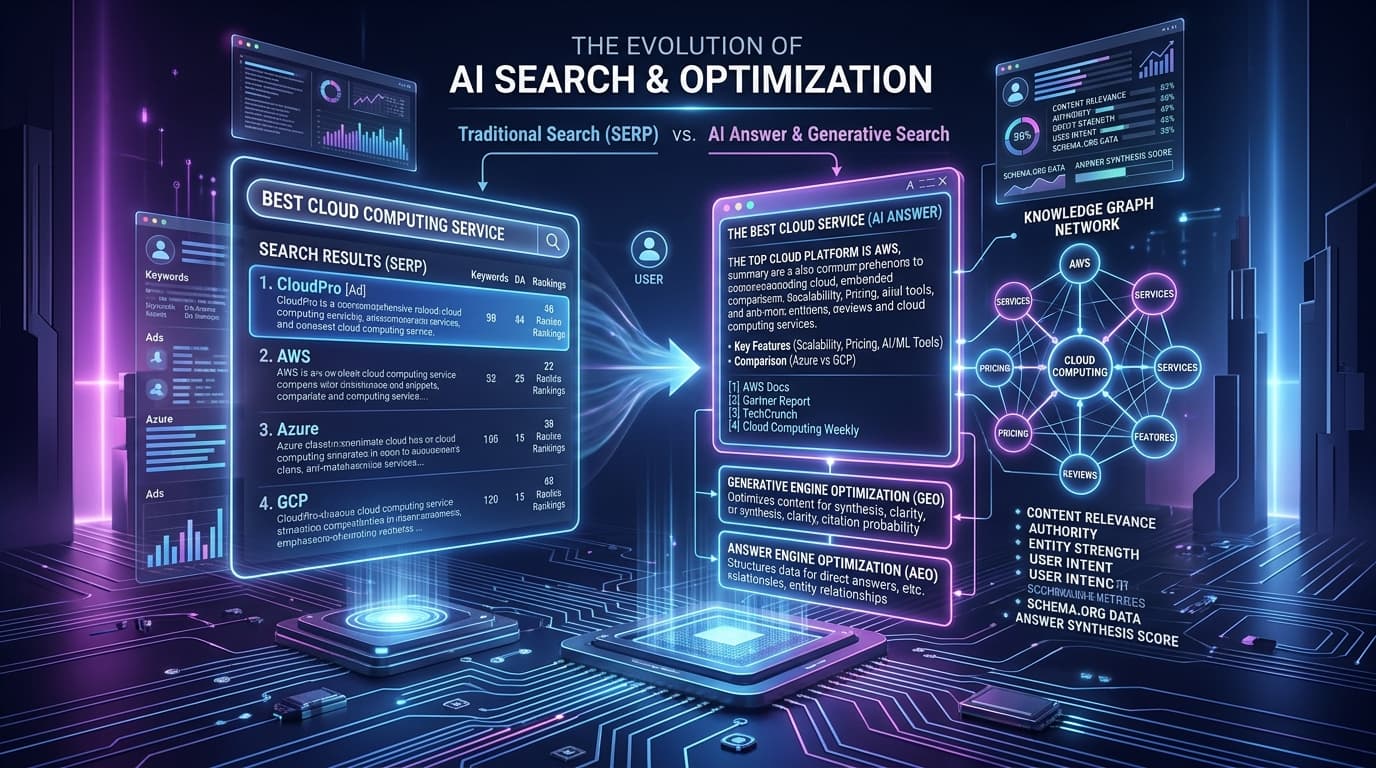
Inside the Transformer: Self-Attention Mechanics
In 2017, Google researchers introduced the Transformer architecture in 'Attention Is All You Need'. Self-attention enables tokens to attend to every other token in the prompt simultaneously. Query (Q), Key (K), and Value (V) vectors compute a scaled dot-product attention score, allowing words like 'bank' to disambiguate meaning based on nearby words like 'river' or 'deposit'.
Post-training refinement via Supervised Fine-Tuning (SFT) and Reinforcement Learning from Human Feedback (RLHF) or Direct Preference Optimization (DPO) aligns the raw completion model into a helpful, conversational assistant.
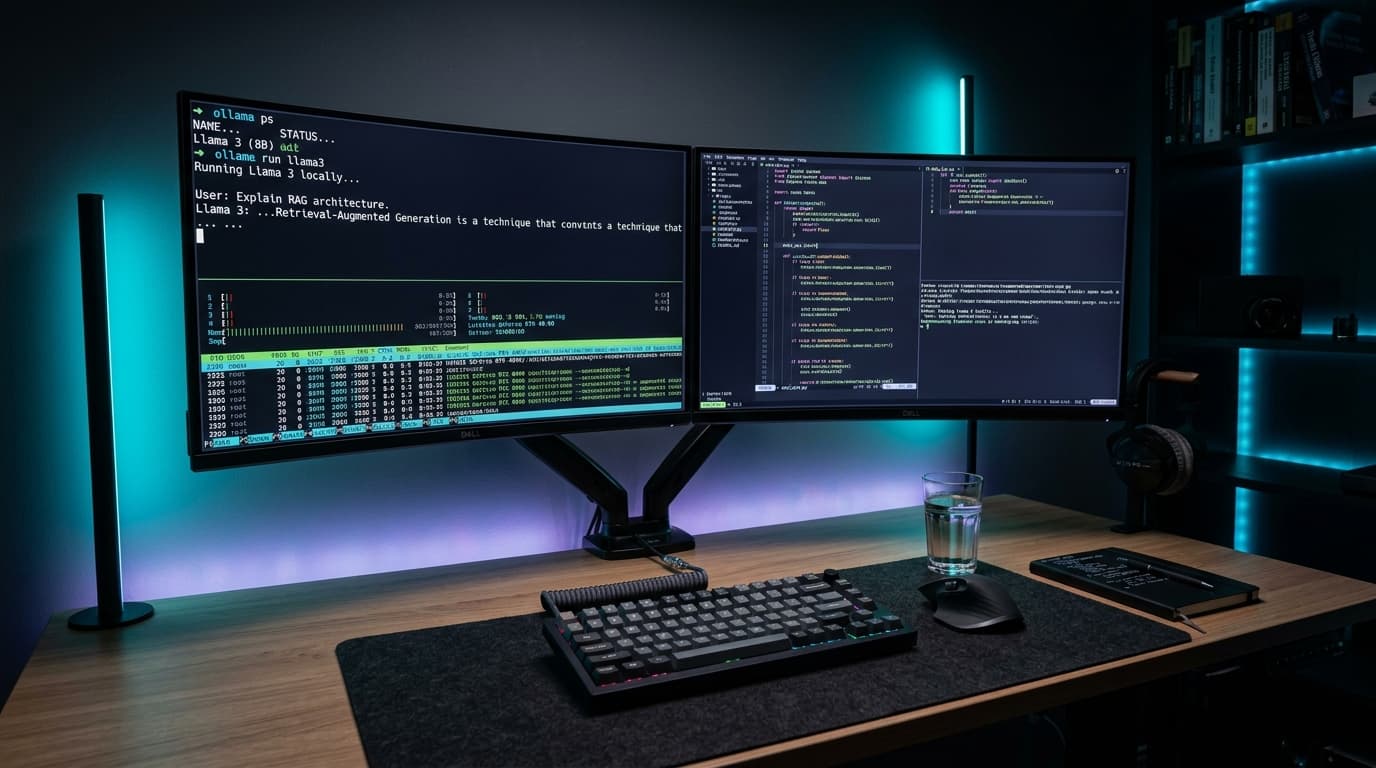
2026 Model Leaderboards & Benchmarks
Objective evaluation is essential when selecting models. The Hugging Face Open LLM Leaderboard and LMSYS Chatbot Arena test models across standardized benchmarks: MMLU (broad reasoning), HumanEval (software engineering), GSM8K (math), and Arena ELO (crowdsourced human preference).
In 2026, open-weight models like DeepSeek-V2.5 and Llama 3.1 405B rival top proprietary offerings like Claude 3.5 Sonnet and GPT-4o, giving enterprises flexibility to deploy in private clouds.
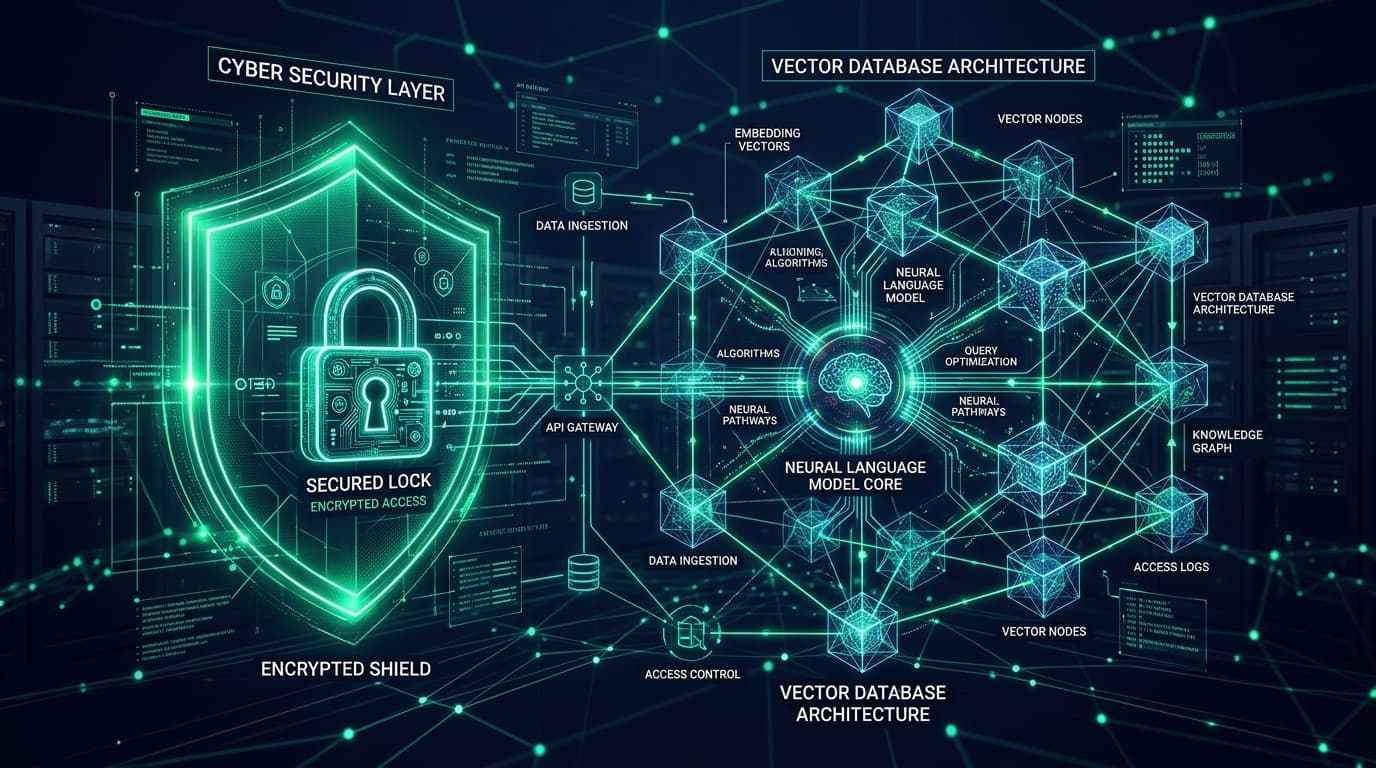
Small Language Models (SLMs) & Enterprise RAG
Bigger is no longer universally better. Lightweight models (3B to 9B parameters) such as Microsoft Phi-3.5 and Gemma 2 run on consumer hardware while matching larger models when paired with Retrieval-Augmented Generation (RAG).
RAG grounds the model on private vector databases (Qdrant, Pinecone, pgvector), preventing hallucinations and ensuring compliance without the high costs of continuous model fine-tuning.

Frequently Asked Questions
Traditional NLP relied on manual rule-based parsing and shallow statistical models. LLMs use deep transformer neural networks with billions of parameters, learning generalized syntax, world knowledge, and reasoning capabilities directly from massive datasets.
Key Architectural Takeaways
- LLMs are statistical probability engines predicting the next most likely token across high-dimensional semantic spaces.
- Self-attention mechanisms break the sequential computing bottleneck, enabling massive parallel GPU pre-training.
- Temperature controls sampling entropy: lower (0.1–0.3) for deterministic code and math, higher (0.7–1.0) for creative diversity.
- RAG combined with small language models (SLMs) delivers superior domain accuracy at 1/50th the operating cost of frontier cloud APIs.
Building Generative AI or LLM Applications?
Our AI engineering team architects custom RAG pipelines, fine-tunes specialized models, and deploys high-throughput local inference clusters.