The Future of AI Agentic Code: Autonomous Coding Agents, SWE-bench & Self-Healing Repositories
How autonomous AI agents like Devin, Claude Code, and SWE-bench pipelines are transforming modern software engineering.

Beyond Copilots: The Shift to Autonomous Agents
Software engineering has evolved through three distinct AI phases: Phase 1 was inline autocomplete (Copilot). Phase 2 was conversational code generation (ChatGPT / Claude). Today, Phase 3 is Agentic AI—autonomous systems capable of reading GitHub issues, cloning repositories, navigating complex abstract syntax trees (ASTs), running unit tests in isolated sandboxes, and submitting pull requests without human intervention.
The benchmark driving this evolution is SWE-bench, which evaluates AI agents on real-world GitHub issues from major open-source projects (Django, scikit-learn, SymPy). In 2026, top agentic architectures solve over 45% of unassisted real-world software bugs.

Self-Healing Repositories & Automated Triage
Enterprises are adopting agentic workflows to eliminate maintenance toil. Autonomous agents continuously monitor error reporting systems (Sentry, Datadog), automatically reproduce production bugs in ephemeral staging environments, write regression unit tests, and open tested PRs before engineers wake up.
This self-healing loop reduces Mean Time to Resolution (MTTR) from hours to minutes, freeing senior software engineers to focus on architecture and strategic product design.
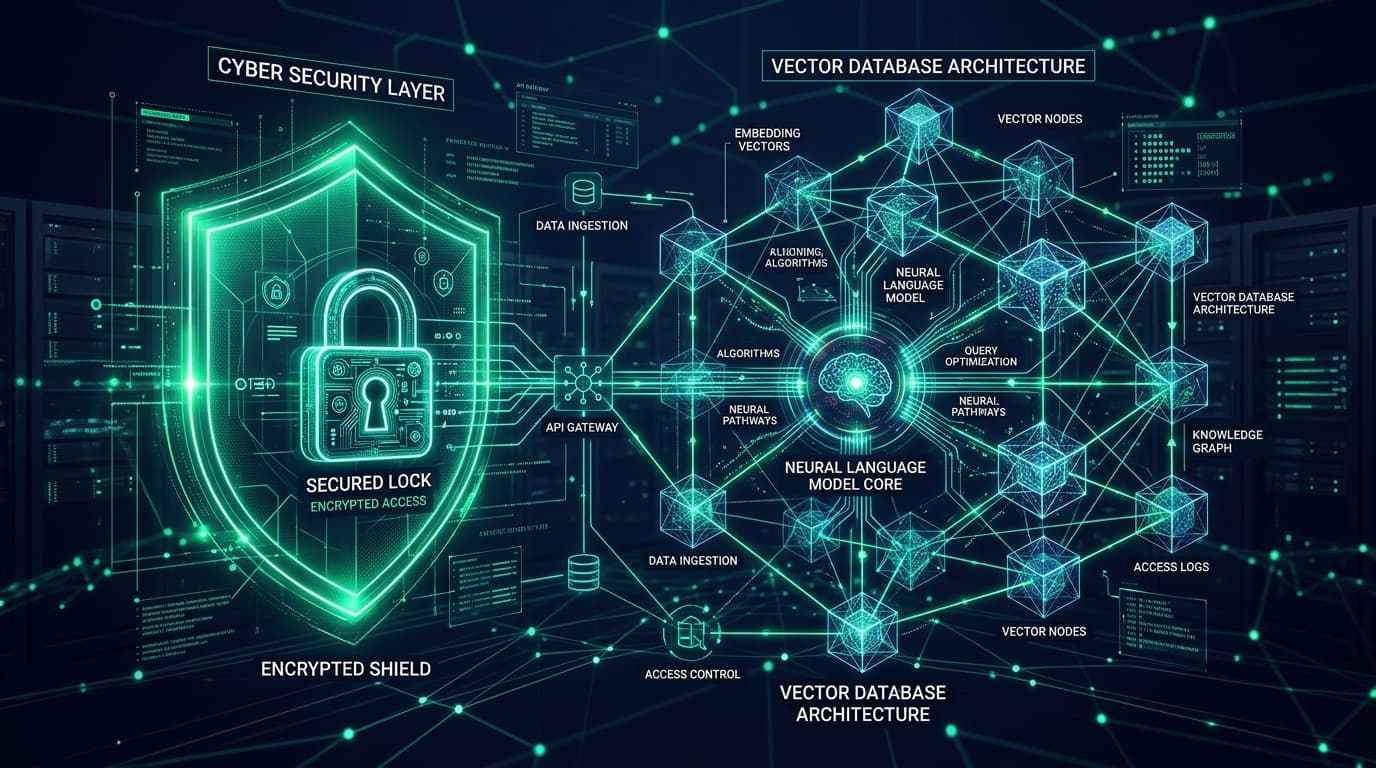
Security & Governance for Agentic Workflows
Granting AI agents terminal execution rights demands rigorous security boundaries. Production agent environments must run in air-gapped Docker or Firecracker microVMs with restricted network egress to prevent unauthorized data exfiltration or unintended deployment commands.
Human-in-the-loop review remains mandatory for production deployments: agents generate pull requests with clear test evidence, but human engineers retain final merge authority.

Frequently Asked Questions
A copilot suggests code snippets interactively as you type. An autonomous coding agent executes multi-step objectives independently: cloning repositories, editing multiple files, running unit tests in sandboxes, and opening tested PRs.
Key Architectural Takeaways
- Autonomous coding agents move beyond chat into closed-loop execution: planning, tool use, testing, and self-healing.
- SWE-bench measures real-world coding competence by executing generated code against genuine GitHub unit test suites.
- Self-healing code pipelines automatically reproduce production errors, write regression tests, and stage tested pull requests.
- Strict microVM sandboxing and human-in-the-loop merge approval ensure security when deploying autonomous developer agents.
Want to Implement Autonomous AI Agents in Your Engineering Workflow?
We build custom agentic pipelines, integrate tool-calling LLMs with your codebase, and configure secure execution sandboxes.